AI Talking Heads: FAQs & Guide 2026
This AI talking heads FAQ-style guide cuts through the noise with straightforward answers to the questions everyone has about this puppet AI technology.
If you’ve spent some time exploring AI video tools, there’s a good chance you’ve noticed AI talking heads everywhere (like course videos, product demos, and even marketing campaigns). Yet despite their popularity, there’s still confusion about what they are (including how they work).
This FAQ-style guide cuts through the noise with straightforward answers to the questions everyone (including creators, marketers, and educators) has most about this puppet AI technology in 2026.
What Is an AI Talking Head?
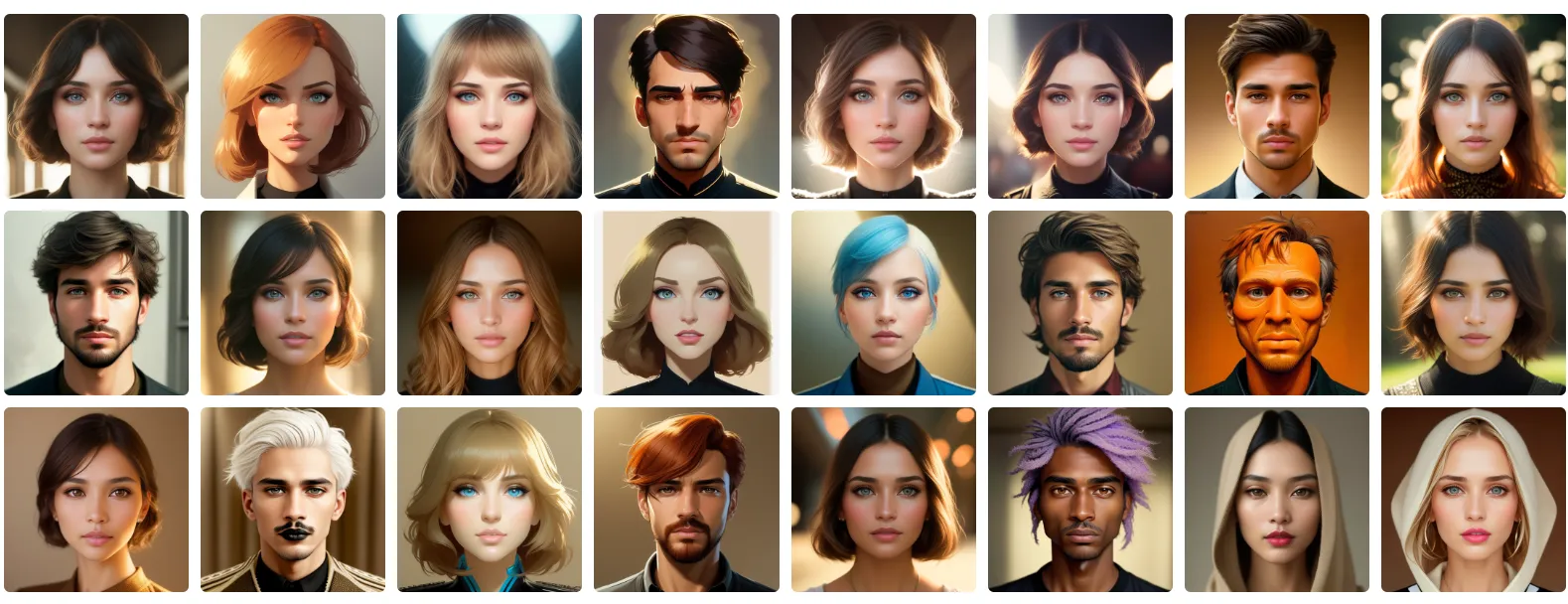
An AI talking head is a revolutionary creation, featuring a digital face that speaks in front of a camera. However, instead of a live, real person, that character is generated (or partially produced) by artificial intelligence.
It’s like a synthetic AI puppet presenter who delivers your script with synchronized lip movements, facial expressions, voice, and other attributes without requiring an actual person.
Its core components include voice (from text-to-speech), a face (can be photorealistic or stylized), and animation (to bring everything together).
Puppetry AI talking-head systems generate natural speech through continuous facial motion (unlike static avatars that only blink or nod).
What Are AI Talking Head Generators Used For?
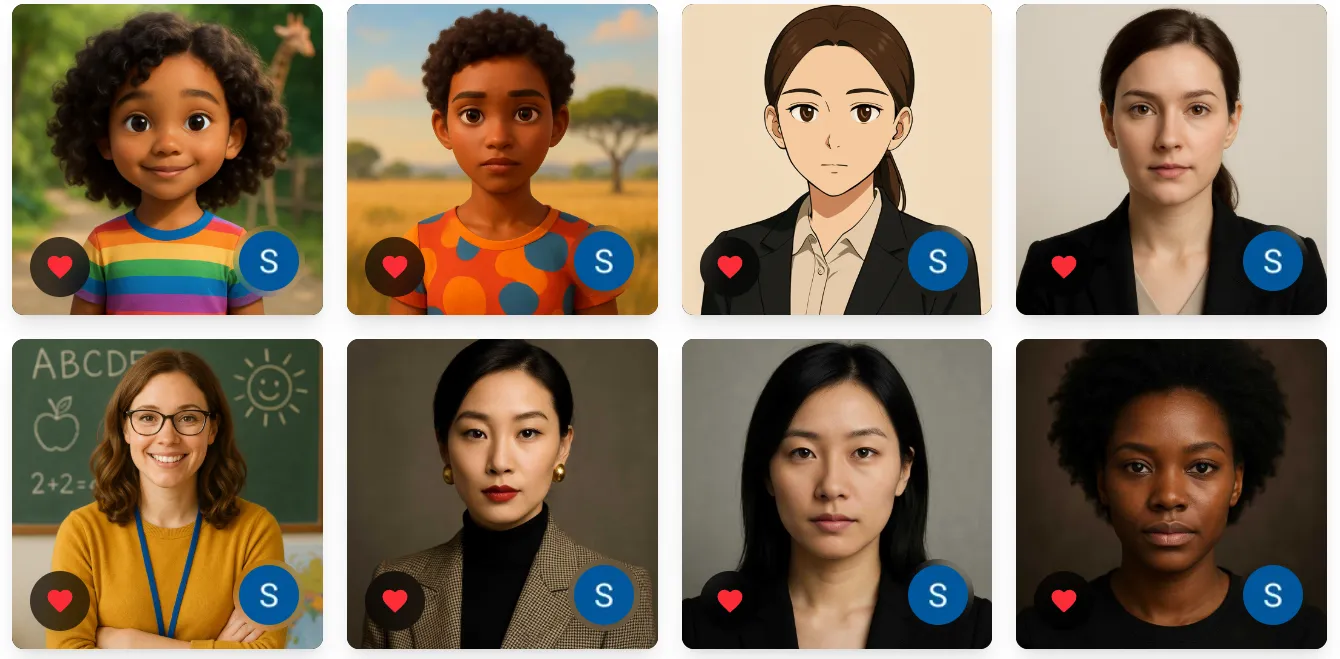
AI puppets serve different industries. They’re useful in the academe, helping instructors scale across lessons without recording each individually.
Marketers use talking head generators to create explainers, landing pages, and even social ads that require a human touch without the costly production overhead.
Many content creators use such technologies for making faceless Instagram and YouTube channels and tutorials (to ensure consistency).
Virtual characters for apps and customer service (where human-like interfaces improve engagement) are also exceptional uses of such generators.
How Do AI Talking Head Video Generators Work?
Most AI talking head video generator systems adhere to a three-step approach. First, text converts to speech with natural intonation.
Second, facial motion modeling analyzes speech. It does this to know the different mouth shapes and head movements (including micro-expressions) appropriate for each word.
Third, lip-sync alignment ensures everything matches. AI technology maps individual speech sounds to facial positions to create the illusion of genuine speech (not crude animation). Modern talking head video AI systems complete all three steps in minutes.
What’s the Difference Between AI Avatars and AI Talking Heads?
Although both terms overlap, AI talking heads differ in that they emphasize facial realism and speaking performance. Full-body avat0ars might include gestures and walking, but talking heads focus on what matters for trust-based digital content (and that’s the face and voice).
Talking heads perform better for credibility-driven scenarios, like educational content, professional presentations, and customer testimonials.
Talking heads AI systems usually outperform flashier alternatives when it comes to clear explanations and quick rapport.
Are AI Talking Head Videos Realistic Enough for Professional Use?
Of course! We’re seeing increasingly realistic AI talking heads videos in 2025 (which should further improve in 2026), although with caveats.
High-end talking head video AI platforms produce results that casual viewers typically accept as real (especially short-form videos). They’re great in explaining concepts and presenting information (yes, even reading scripts!).
However, emotional depth and spontaneity remain inadequate, if not lacking. You’ll see the difference in most long-form content or subtle reactions.
The good news is that training videos, marketing clips, and explainers are slowly crossing the realism threshold. If you need high-stakes authenticity, humans remain supreme over any AI talking head video.
What Makes a High-Quality Talking Head Generator in 2026?
The best AI talking head video generator platforms share key traits, including smooth facial motion, voice realism (with the correct or proper emotional inflection), and emotional alignment (your puppet’s faces MUST match the tone of the script).
If you want the best talking head generation 2026 can offer, you can look for customization options that allow you to adjust pacing, the intensity of expressions, and even visual style. You will want to look for a platform with clear ethics (especially in consent and licensing). It should be transparent about how it creates AI faces and straightforward in its usage rights.
How Do Talking Head Generators Compare to Traditional Video Production?

Talking head video AI wins on cost and time. Traditional video requires scheduling, setups, multiple takes (or reshoots), and re-recording for errors.
On the other hand, an AI talking head video generator can produce drafts in minutes with text-based iteration.
Scalability is another advantage. For example, you can have the same presenter in 50 different videos. The only issue will be authenticity and emotional range, especially for content focused on “emotional connections.”
And if you want to repurpose an existing digital content efficiently, you can even turn blogs to videos without traditional filming.
How Do Puppetry-Based Talking Head Systems Fit Into the Market?
Puppetry AI systems conveniently sit between full automation and manual animation.
To be more specific, a puppetry AI talking head video generator empowers you to have more expressive control over your creations than pre-made templates while remaining faster than frame-by-frame conventional video production.
Responsiveness differentiates such creations from rigid avatars. With puppet generators, adjusting expressions on the fly is so much easier. That empowers you to create nuanced performances.
Your personality as a creator should shine through. You can also direct performance instead of merely feeding text into a black box.
Platforms focused on this approach (like the Puppetry app) offer comprehensive AI features that bridge conventional puppetry artistry with modern technology.
How Do I Choose the Right Talking Head Generator for My Needs?
You can always start with your content goals.
For instance, educational content needs clarity while marketing demands polish.
Meanwhile, character-driven digital content requires personality. So, your answer will shape which features matter.
You’ll also want to consider how realistic an AI talking head video you need (including your skill level).
Some AI talking head generator platforms are plug-and-play, while others require a bit of learning. Think about your output needs, too. One-off videos differ from talking head generator systems producing hundreds monthly.
And if you want a better-informed decision, try understanding current AI video trends.
Are There Ethical Concerns With AI Talking Heads?
Transparency is crucial! It’s worth pointing out that audiences deserve to know when they’re watching something made entirely by machines. Ethical creators label talking head AI content clearly.
Creating AI versions of real people without their permission is always unethical. Not only that. It’s also unlawful. So, responsible AI talking heads platforms require consent for likeness training and prohibit impersonation. It’s best to ask yourself if your audience would feel deceived by your content. Would your videos cause harm if viewers assume they’re real?
Conclusion
AI talking head technology has definitely grown from a novelty tool to a practical, nearly indispensable platform. Understanding this technology’s strengths and weaknesses (or capabilities and limitations) should help you determine how best to apply it this 2026 to advance your goals.
One of the best ways is to match talking heads AI systems to their proper use cases while maintaining strict ethical standards. It’s worth remembering that these are tools for expression. They can never replace human creativity.
Such a technology deserves informed experimentation. That way, you can scale course content, boost marketing campaign efficiency, and even explore new formats for digital content. And if you need more guidance in learning more about AI talking heads, Puppetry AI is here.
Related Articles
Discover more insights and expand your knowledge with these hand-picked articles
AI Transformations Reshaping Advertising in 2026: Your Complete Guide
AI transformations in advertising have moved from experimental (trial-and-error) tech to the very engine driving every major campaign decision. And the pace is absolutely unthinkable (wild, even!)! Learn more here.
 Sarah Reyes
Top 7 Ways Creators Use AI Talking Heads for YouTube, TikTok, and Reels
n this blog, we’re going to dive into 7 practical, viral-friendly ways creators are already using AI talking heads to scale their content across YouTube, TikTok, Reels, and other platforms.
Sarah Reyes
8 Types of Videos AI Talking Heads Can Help Small Businesses Create (Fast!)
Check out this post for the eight types of videos that AI talking heads can help you create - at scale, affordably, and quickly.
Sarah ReyesReady to Create Amazing Content?
Join thousands of creators who use Puppetry to bring their ideas to life. Start creating engaging content today with our AI-powered platform.