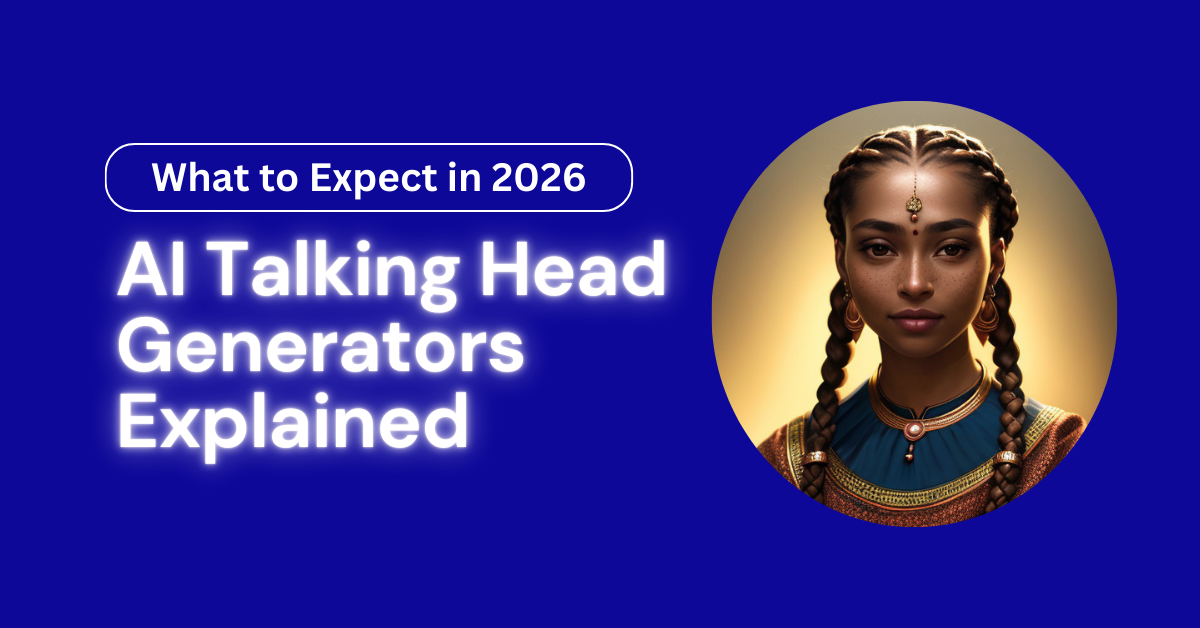
AI Talking Head Generators Explained: Technology, Use Cases, and What to Expect in 2026
AI talking head generators have clearly transformed how we create and produce digital content. Learn more here!

AI talking heads have clearly transformed how we create and produce digital content, whether you’re in education, marketing, or even in the thriving content creator community.
Talking head videos dominate because audiences respond positively to faces and voices, even when generated by algorithms instead of conventional cameras.
There’s an increasing demand for camera-free and scalable video creation.
Content creators produce dozens of videos weekly without worrying about expensive studios and retakes.
This guide explores how AI talking head technology works, its quality indicators, and, more importantly, its practical applications for 21st century creators, marketers, and educators (and virtually anyone willing to leverage such technology).
What Is an AI Talking Head? A Clear, Practical Definition
An AI talking head is a digitally-generated video of a human-like figure speaking directly to a camera. It’s created entirely through advanced artificial intelligence (like the one used by Puppetry AI).
Talking head AI technology synthesizes realistic facial movements and expressions. It can even synchronize lip movements to match typed text or uploaded video.
How AI combines voice synthesis, facial animation, and lip-syncing
AI talking head generator tools combine three distinct yet interconnected technologies and processes. There are text-to-speech (TTS) engines that convert scripts into voice recordings.
Facial animation systems then generate realistic movements and expressions. Lastly, there are lip-sync algorithms that map mouth shapes to speech sounds.
Difference between avatars, talking heads, and deepfakes
It’s worth pointing out the differences between avatars, talking heads, and deepfakes to minimize, if not eliminate, misconceptions.
Avatars are stylized digital representations of a person (like your cartoonized profile picture on Facebook) or an idea or even deities.
On the other hand, talking heads are realistic human-like presenters designed to replace traditional video.
Deepfakes, meanwhile, map one person’s face onto another’s video (for example, your face on the body of Arnold Schwarzenegger or Sylvester Stallone).
Remember, AI talking heads create original synthetic presenters without manipulating real footage.
Where talking head AI fits in the broader AI video landscape
While general (or conventional) video generators create entire scenes, talking heads AI specializes in believable human presenters (like news anchors and classroom teachers). They allow higher facial realism than broad-purpose tools currently achieve.
How Talking Head AI Technology Works Behind the Scenes
Talking head AI technology is heaven-sent for many creators, marketers, and even educators in the 21st-century digital age. But how does this technology really work? As mentioned, three technologies bring forth the magic of realistic digital presenters.
Text-to-speech and voice modeling
Advanced neural networks train round-the-clock to learn human speech. They pick up and integrate into their algorithms the subtle patterns of intonation and pacing.
They even understand the emotion in speech. Some systems clone specific voices (like yours) while others offer libraries of pre-trained profiles.
Facial motion mapping and expression synthesis
Next, generative models understand facial anatomy to predict how real faces move given current speech and emotion. It even covers micro-movements like head tilts and eyebrow raises, much like you would when “conversing” with a friend or an audience.
Timing, phonemes, and lip-sync accuracy
Advanced AI technology must produce convincing lip-sync. It must match mouth shapes to speech sounds with frame-perfect timing. Highly sophisticated talking head video AI analyzes speech prosody to account for transitions and anticipatory mouth positions.
Talking Head AI vs Traditional Video Production
Talking head video AI offers several distinct advantages over conventional video production.
Production time
Producing videos the traditional way takes days, if not weeks. Sometimes, creators spend up to months coming up with a single video. AI technology slashes production times to mere minutes.
Cost and resource requirements
Creators utilizing AI technologies no longer have to worry about studio and equipment rentals. Talent fees (including voiceovers) and post-production costs are non-existent, too. With AI, they only need to think about affordable subscriptions.
Flexibility and iteration speed
Gone are the days when video producers must schedule reshoots or retakes if they want to tweak a segment (or consider their work less than acceptable). AI empowers them to instantly change scripts without reshooting.
Consistency across large content libraries
Human presenters naturally vary in appearance and energy (including delivery) across filming sessions separated by weeks or months. On the other hand, AI presenters look and sound the same across hundreds of videos, from educational video series to brand content and more.
Main Categories of AI Talking Head Generators
The landscape of AI talking heads includes several distinct technological approaches. And each has its own strengths.
Script-driven talking head generators
As the name suggests, a script-driven talking head generator relies on text input (or script) to handle voice synthesis and visual generation in a single workflow. You only need to type or paste a script and select a presenter style, and AI generates the video.
Such a technology is ideal for straightforward presentations where the priority is efficiency over nuanced control.
Image-based and avatar-based systems
Some platforms encourage you to upload a photo, while others let users select from avatar libraries. They then animate your “chosen” image. Such systems allow for consistent brand representation. It also empowers you to create digital presenters that match specific aesthetic preferences or demographics.
Face puppet AI models
Face puppet AI is quite different. It treats the digital face as an expressive instrument controlled through various inputs (not merely scripts and preset animations). Instead, you can manipulate expressions, performance nuances, and even emphasis in real-time. That gives you more artistic control over the final video.
Real-time vs pre-rendered talking head video AI
Platforms that deliver pre-rendered videos emphasize quality. On the other hand, real-time generators focus on instant feedback (often at the expense of visual fidelity).
And that makes them ideal for virtual assistants, live-streamed content, and other interactive applications.
What Defines High-Quality Talking Head Generation in 2026
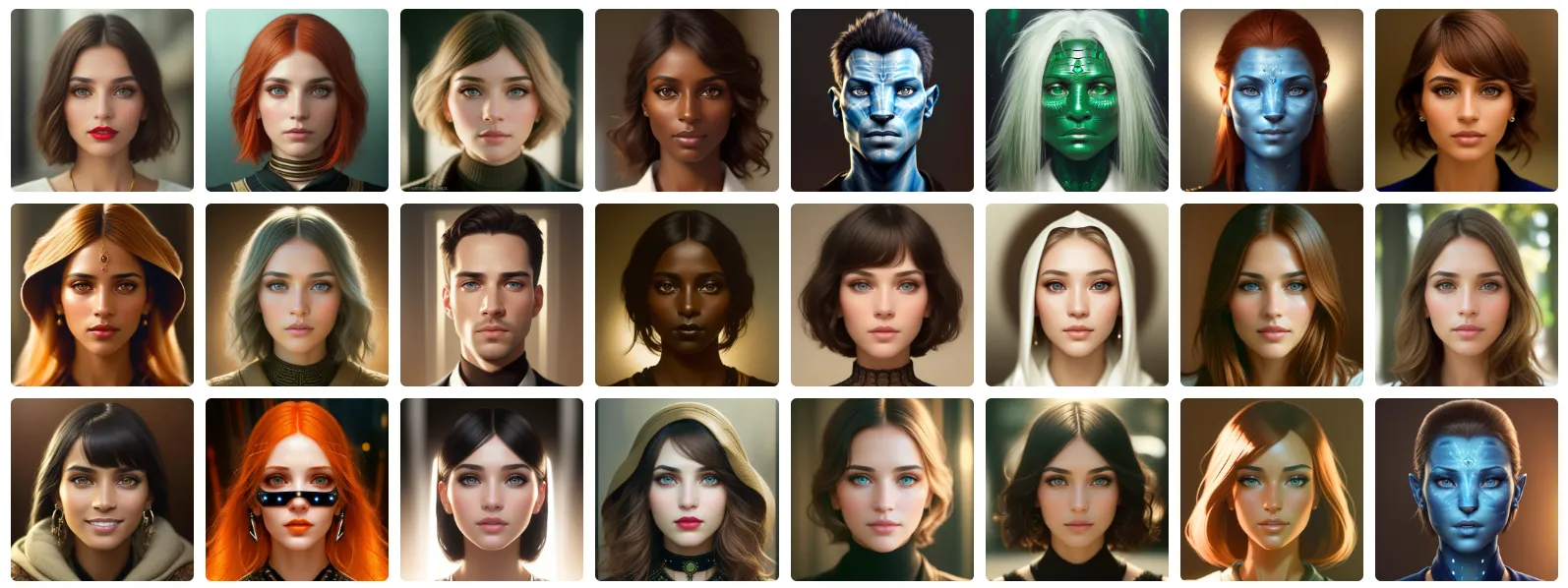
The best talking head generation 2026 standards continue to evolve. They have transformed from basic functionality to systems that encompass several quality indicators.
Natural facial movement and micro-expressions
The best AI talking head video generator tools produce subtle, continuous motion (i.e., natural breathing movements and slight shifts in gaze). Remember, even the smallest facial asymmetries make real faces feel “alive.”
Emotional alignment with speech
Quality systems analyze script sentiment to adjust facial expressions accordingly. After all, a presenter should look concerned when discussing problems and excited when announcing opportunities.
Voice realism and pacing
Exceptional AI-driven talking head systems feature natural pauses. Not only that. Such tech places appropriate emphasis on important words while ensuring vocal variety. Maintaining engagement is easier without the monotonous rhythm of earlier TTS tech.
Customization without technical complexity
High-quality platforms empower users to adjust tone, pacing, style, and other parameters without learning complex software or writing code.
Ethical and commercial usage clarity
Reputable AI systems clearly communicate usage rights, restrictions (especially on impersonations and misuse), and disclosure requirements to build trust through transparency.
Face Puppet AI Explained: A More Expressive Approach to Talking Heads
The face puppet AI approach deserves special attention, especially for creators who want expressiveness and performance control, not merely automation.
Difference between rigid avatar animation and face puppeting

Image by vectorjuice on freepik
Face puppet AI “looks” at faces as responsive instruments. It “sees” expressions as the result of continuous tweaks instead of predetermined templates. This tech empowers you to hone your skills in improvisation and nuanced performance.
Expression transfer and emotion modeling
Puppet generator systems can analyze human performance before transferring emotional timing to synthetic faces. They preserve human performance elements while gaining digital benefits.
Creative advantages for storytellers and educators
Comedy creators love face puppeting because they can create exaggerated expressions. Storytellers and educators can also leverage AI puppets for character-specific mannerisms (for narratives).
Common Use Cases for AI Talking Head Videos
AI talking head technology empowers you to ace different applications across diverse fields.
Online learning and explainers
Teachers and educational creators produce course materials with consistent synthetic instructors. They maintain the advantages of face-to-face engagement at scale.
Marketing and product walkthroughs
Product demos gain presenter credibility without ongoing (recurring) spokesperson costs. Companies generate videos in multiple languages while maintaining visual and brand consistency.
Faceless content creation
Creators maintain privacy while building channels. More importantly, they ensure a human connection without the identity of the creator.
Virtual characters and game assets
Game developers generate dialogue for characters without costly voice sessions. It enables more varied interactions.
Internal communications and training
Corporate communications use approachable talking head video AI for policy updates and onboarding materials.
Choosing the Right Talking Head Generator for Your Needs

Image by macrovector on freepik
Choosing the right talking head generator boils down to several factors you will want to give plenty of thought to.
Intended content type
Do you need formal presentations or casual education? Maybe entertainment or some other format? Different systems optimize for different tones.
Required realism level
Some projects demand photorealistic humans. Others typically work better with presenters that are obviously machine-made. That should set clear expectations.
Output formats and reuse
Check for high-res files alongside web-optimized videos. Platforms with excellent audio extraction features and integration capability with other production tools are great choices.
Learning curve
More powerful AI talking head video generator systems require more learning. If this isn’t you, pick streamlined tools for instant usability (although they might sacrifice flexibility).
Budget and scalability
Consider how pricing changes as needs grow. Per-video pricing is perfect for occasional use, while unlimited plans benefit high-volume creators.
Where Puppetry-Based Systems Fit Into the Talking Head Ecosystem
Puppetry-based systems, like Puppetry AI, emphasize expressive range, complementing impressive control of performance. It’s perfect for videos with personality and a unique emotional nuance.
Performance-oriented creators typically apply timing and their understanding of emphasis rather directly onto their creations. The Puppetry app responds to creative decisions instead of automating them away.
For example, some creators use Puppetry AI talking head video generator to create heroes with maximum expressiveness. They can switch to automated tools to support materials that prioritize consistency.
Ethical, Creative, and Trust Considerations in Talking Head AI
Responsible use of AI-generated talking heads requires attention to several important dimensions beyond the usual technical quality.
Transparency and disclosure
Clearly indicate when presenters are AI-generated. It’s the best way to build audience trust while preventing the erosion of your credibility (due to deceptive presentation).
Avoiding misuse and impersonation
Talking head AI creates many opportunities for impersonation. Thankfully, responsible platforms have safeguards against such unlawful use of tech (including detection tools).
Maintaining originality in AI-generated content
As a rule, ideas and scripts should remain genuinely yours (human-made), even though the presenter is synthetic. We must remember that AI talking heads ARE exceptional tools for expressing our creativity.
Future Trends in AI Talking Heads Beyond 2026
We can only look forward to a more sophisticated batch of the best talking head generation 2026.
Emotion-aware talking heads
Next-generation AI talking head systems will understand narrative context. And that will allow them to adjust entire presentation emotional arcs (not only individual sentence sentiment).
Real-time conversational avatars
As video generation speed improves, talking heads will transition to real-time interactive characters with natural conversational flow. They will make great additions to customer service and virtual championship environments.
Deeper integration with games, XR, and virtual worlds
AI grows more intelligent every month. It will be a mainstay in virtual spaces with believable characters.
Conclusion: AI Talking Heads as a Creative and Communication Tool
AI talking head technology is now a very practical tool that’s reshaping how we create video content. We mustn’t view it as a human replacement, however. Instead, we must look at it as a new medium with distinct creative possibilities.
Applying talking head AI thoughtfully enables creators to produce synthetic presenters that genuinely serve audiences. And Puppetry AI serves as a credible resource for ongoing education about AI talking heads. That will make talking head video creation in 2026 (and beyond) all the more exciting.
Keep reading
More from the blog on the same topic.
Top 10 AI Talking Head Trends to Watch in 2026
2026 is shaping up to be the year AI talking heads start becoming your most reliable digital coworker. So, let’s explore AI talking head trends this year!
AI for Freelancers: How to Stay Updated & What to Learn 2024
Are you a freelance content creator? Keep up with the changes and improve your AI knowledge. Here's how to stay updated with AI and what you can learn from it.
AI Talking Head: Latest Features & Use Cases 2026
Today’s blog highlights the latest Puppetry AI features and use cases. Check them out and see how you can use Puppetry for your creative projects!
Ready to create talking videos that hold attention?
Start with a script, pick a puppet, and share a finished video in minutes. Free to try, no credit card required.