Discover the Top 5 AI Trends in 2026
Enterprise leaders are bracing for a transformative 2026 as new research from Gartner reveals that agentic AI and physical intelligence (including sovereign data policies) will dominate corporate technology strategies in the coming year.
Enterprise leaders are bracing for a transformative 2026 as new research from Gartner reveals that agentic AI and physical intelligence (including sovereign data policies) will dominate corporate technology strategies in the coming year.
According to Gartner’s latest forecast, two in five enterprise applications will integrate task-specific AI agents by the end of 2026. It’s a dramatic surge from less than 5% this year. The findings come as businesses face mounting pressure to move beyond experimental AI projects toward full-scale operational deployment.
1. Autonomous AI Agents Move from Testing to Production
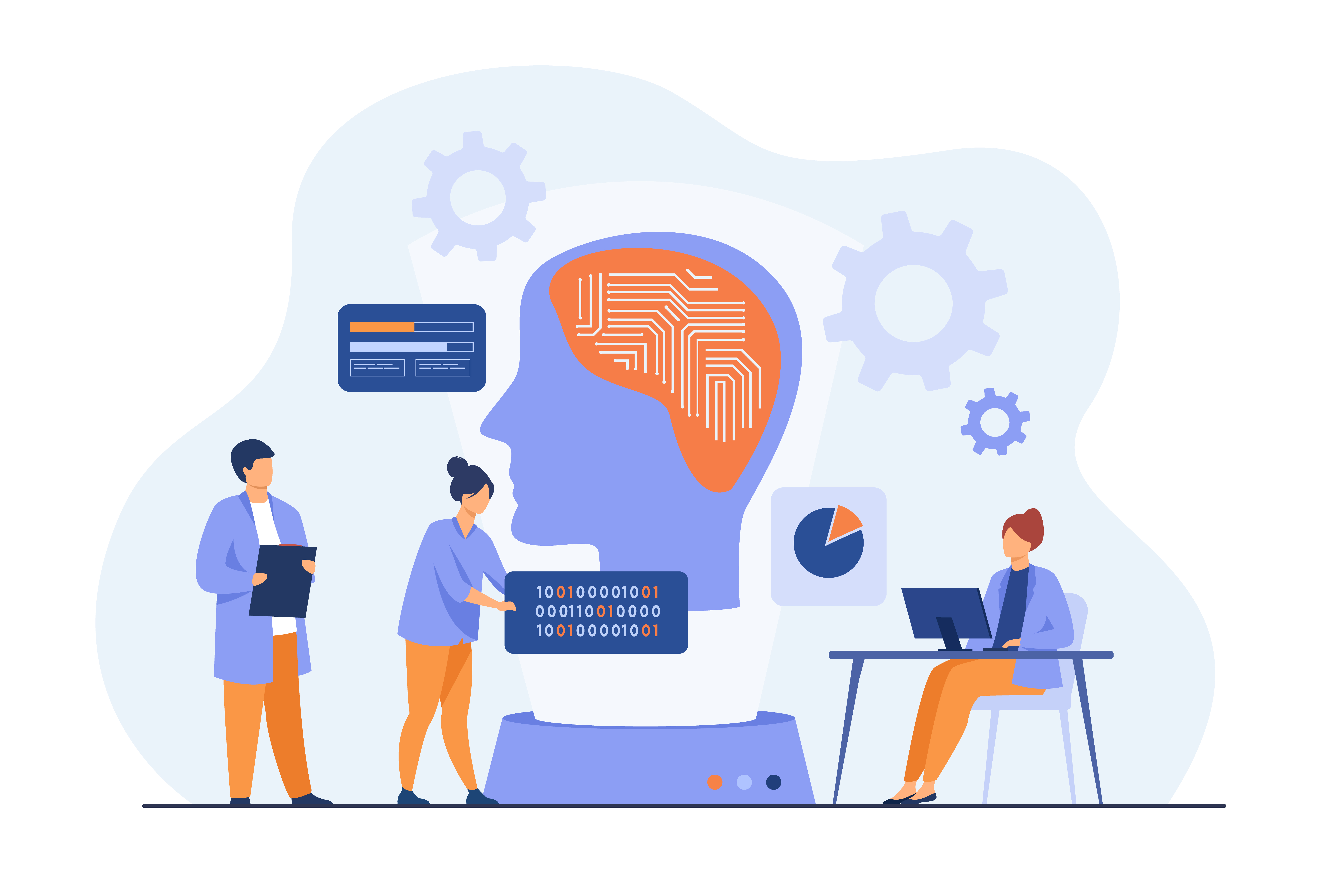
Image by PCH Vector on Freepik
Agentic AI systems (those that can make decisions and coordinate complex workflows independently) are no longer confined to pilot programs.
IBM’s Institute for Business Value surveyed 1,000 C-Suite executives. They found out that most leaders report AI agents are already delivering measurable value to their organizations.
Gartner’s VP Analyst, Tori Paulman, says the pace is what feels different this year. Paulman added that they’ve seen more innovations emerge in a single year than ever before.
The shift requires companies to build near real-time data architecture. Moreover, they must establish clear governance frameworks that define which decisions AI can make autonomously (versus those requiring human review).
For content creators and marketers, this evolution is already evident in AI-powered video generation tools. These systems autonomously produce personalized content at scale.
2. Physical AI Brings Intelligence to Real-World Operations

Image by studio4rt on Freepik
Experts describe physical AI as the seamless integration of artificial intelligence with robotics and smart equipment. Moreover, it’s emerging as a top strategic priority.
Gartner identifies these systems as bringing intelligence into the real world. They power machines and devices that sense, decide, and act.
The many warehouses already deploy such technologies. Robots dynamically navigate obstacles. They’re growing in agriculture, too, where drones identify and treat individual sick plants.
Industry analysts expect a rapid adoption of such technologies across the manufacturing and logistics sectors throughout 2026.
3. Specialized Models Replace One-Size-Fits-All Approach

Image by Freepik
In 2026, generic large language models will give way to domain-specific AI.
Gartner predicts that by 2028, more than half of generative AI models used by enterprises will be specialized for particular use cases or even industries.
Companies are also implementing multiagent systems. Modular AI agents collaborate on complex tasks to improve automation capabilities and operational scalability. More importantly, such an architecture reduces costs better than monolithic AI systems.
4. Data Sovereignty Becomes Strategic Imperative

Image by vectorjuice on Freepik
Nearly all executives surveyed by IBM plan to factor AI sovereignty into their 2026 strategy. Gartner calls this trend “geopatriation.” It requires organizations to revise their ideas of where AI models run and where data physically resides.
Consumer research reinforces this shift. Experts say customers are increasingly willing to reward or punish brands. They base their decisions on a company’s transparency around data usage.
Most customers demand clear explanations of how their information is used by AI systems and basic opt-in/opt-out mechanisms.
5. Workforce Reskilling Accelerates

Image by pikisuperstar on Freepik
IBM’s research reveals that executive anticipate some form of reskilling for at least half their workforce by the end of 2026. They identified problem-solving and creativity (including innovation) as the most critical skills necessary to complement AI (not compete with it).
Organizations looking to prepare their teams for reskilling can explore AI talking heads (and other emerging technologies). These can be entry points for understanding how AI transforms communication workflows.
Market Expectations
It’s a decisive shift. Organizations must graduate from experimenting with AI and progress to full-on company-wide AI implementation. Only then can they gain significant competitive advantages in an increasingly AI-driven marketplace.
2026 will be a defining year for AI adoption. And the decisions made now will shape the next decade’s competitive dynamics.
Related Articles
Discover more insights and expand your knowledge with these hand-picked articles
Top 10 AI Talking Head Trends to Watch in 2026
2026 is shaping up to be the year AI talking heads start becoming your most reliable digital coworker. So, let’s explore AI talking head trends this year!
 Sarah
Sarah
AI Talking Head Generators Explained: Technology, Use Cases, and What to Expect in 2026
AI talking head generators have clearly transformed how we create and produce digital content. Learn more here!
Sarah
A Chinese Startup's New AI Model, DeepSeek R1, Shakes the AI World
The AI startup DeepSeek has the tech world talking after releasing two large language models (LLMs) that rival dominant US-developed AI tools.
Sarah ReyesReady to Create Amazing Content?
Join thousands of creators who use Puppetry to bring their ideas to life. Start creating engaging content today with our AI-powered platform.